
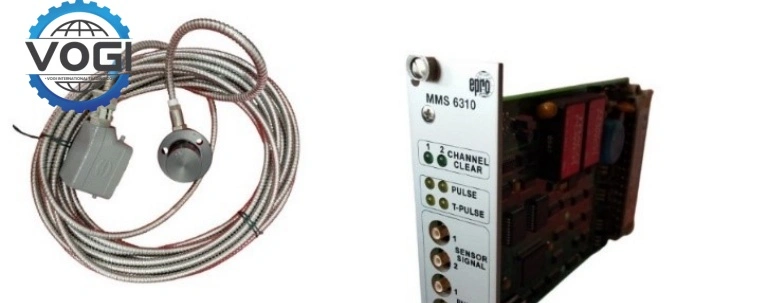
EPRO Vibration Monitoring Spare Parts: PR6423, PR9268 and Full Series Monitoring Accessories
As a core brand under Emerson, EPRO has long been recognized for high-precision eddy current probe technology and reliable vibration monitoring systems, widely deployed in turbine, compressor and rotating machinery protection across power, petrochemical and heavy industrial fields. To meet the ongoing equipment maintenance, replacement and upgrade demands of industrial production lines, Vogi International officially launches a full range of genuine EPRO spare parts, covering EPRO eddy current probes, extension cables, signal drivers and dedicated vibration monitor modules, delivering stable and cost-effective alternative solutions for industrial machinery condition monitoring. EPRO Series Overview: Industrial-Grade Vibration Monitoring Core Components EPRO’s professional vibration…

Honeywell DCS & Safety System Spare Parts: TDC 3000, Experion PKS & FSC Module Supply Update
Honeywell has long been a global benchmark in industrial process automation; its legacy TDC 3000 DCS platform and modern Experion PKS distributed control system are widely deployed in petrochemical, power generation, pharmaceutical, and manufacturing plants worldwide. Complemented by fail-safe controller systems, these solutions have effectively supported stable, safe, and efficient industrial operations for decades. In recent years, the industrial automation sector has faced a significant challenge: Honeywell has officially initiated a phase-out and discontinuation plan for various TDC 3000 series components, with core legacy hardware gradually being withdrawn from official production and direct supply channels. Although many plants globally continue…
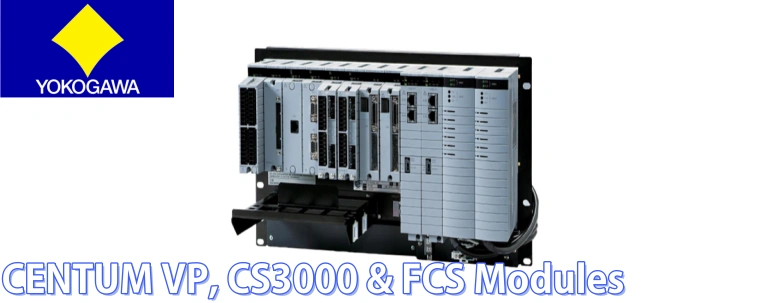
Yokogawa DCS Spare Parts | Reliable CENTUM VP, CS3000 & FCS Modules Supply
Introduction Yokogawa’s CENTUM series stands as a global benchmark for stability and precision in process automation, serving industries such as oil and gas, chemicals, pharmaceuticals, and power generation. With its robust modular architecture, exceptional operational reliability, and seamless scalability, the CENTUM series—spanning the advanced CENTUM VP, the classic CENTUM CS3000, the earlier CENTUM XL, and the core FCS (Field Control Station) units—has reliably supported continuous industrial operations for decades. For manufacturers in the Asia-Pacific and North American regions, the continuous operation of DCS systems hinges entirely on the use of genuine, high-quality Yokogawa DCS modules and compliant spare parts. As…
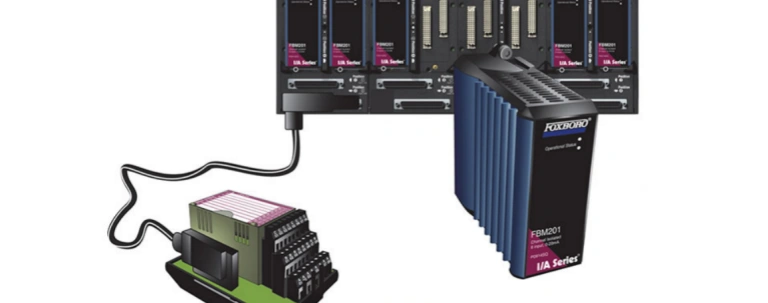
Foxboro DCS Spare Parts I/A Series Modules for Petrochemical Industry
As a core brand under Schneider Electric, Foxboro has long been a benchmark in industrial distributed control systems (DCS). Its flagship I/A Series legacy platform and advanced Evo DCS system are widely deployed in refining, petrochemical, chemical processing, power generation and other heavy process industries worldwide. Vogi International specializes in full-range Foxboro DCS spare parts supply, maintaining sufficient in-stock inventory for both discontinued legacy I/A Series modules and mainstream Evo system components, providing one-stop spare parts procurement solutions for industrial users globally. Most Requested Foxboro DCS Spare Parts for Petrochemical Plants Foxboro I/A Series DCS adopts a modular design, with…
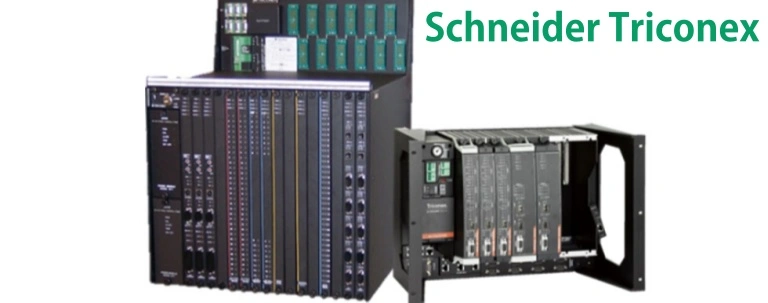
Triconex Safety System Spare Parts: ESD & TMR Module Guide
Overview of Triconex Safety System Core Advantages & Product Lines Triconex’s core competitive advantage lies in its industry-leading Triple Modular Redundant (TMR) architecture. Unlike traditional dual-redundant systems, this architecture employs three independent parallel processing channels and implements a “two-out-of-three” voting mechanism. This design effectively mitigates two critical risks in Safety Instrumented System (SIS) operations: nuisance trips caused by random single-module failures and the risk of dangerous failures resulting from a single-point module failure; thereby ensuring stable, safe output whether the system is operating normally or experiencing partial component failure. The Tricon TMR system adopts a modular integrated design, with all…


