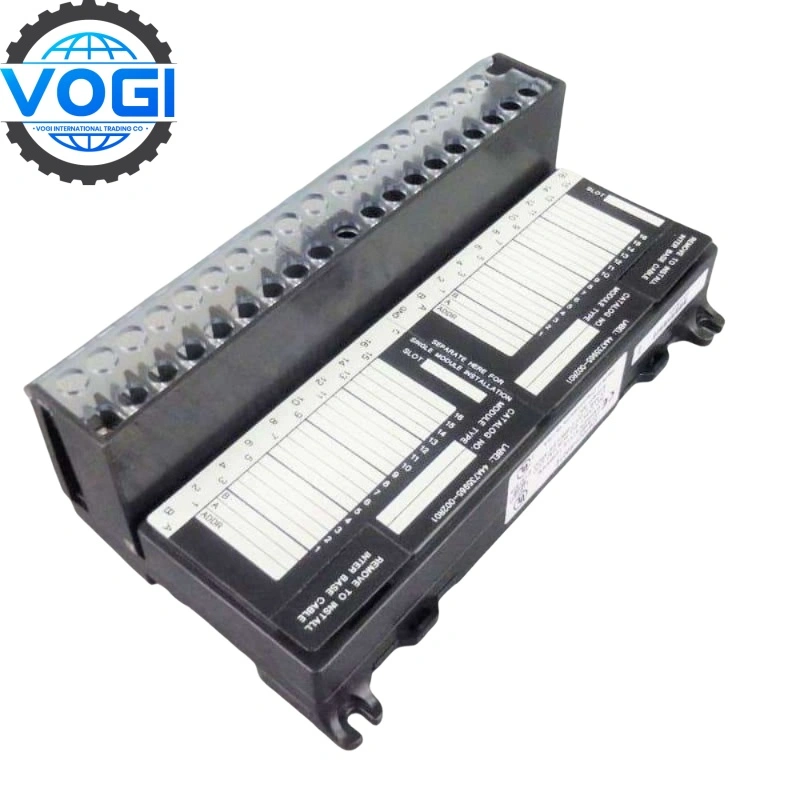
GE IS220PAOCH1B
| Brand | GE |
| Model Number | IS220PAOCH1B |
| Unit price | $7500 |
| Country Of Origin | USA |
| Weight | 1.5KG |
| Certificate |
C/O from the Chamber of Commerce C/Q from the Manufacturer |
| Warranty | 12 Months |
| Inventory Qty | 2 |
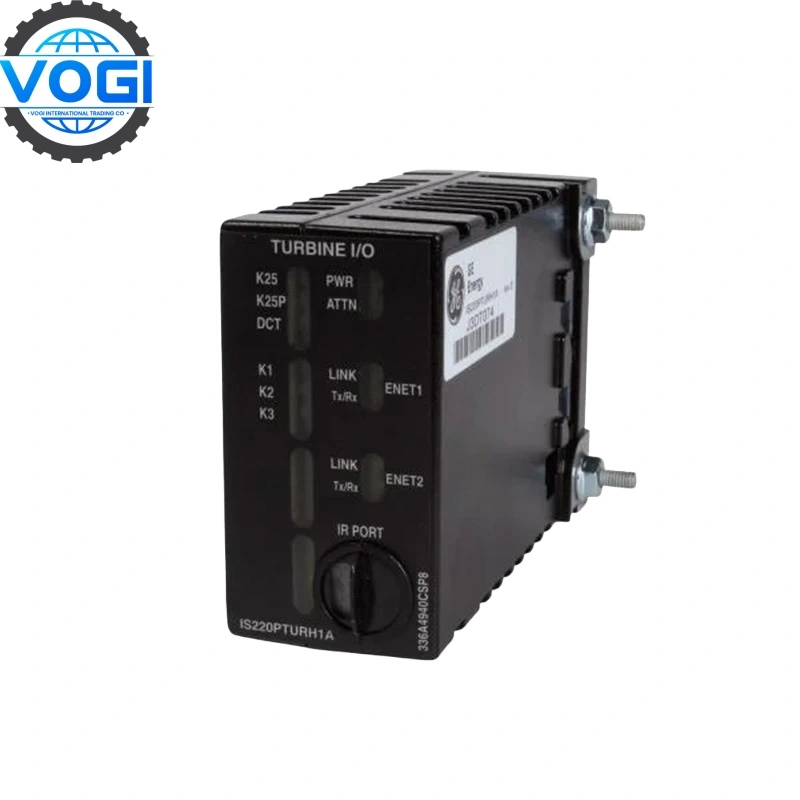
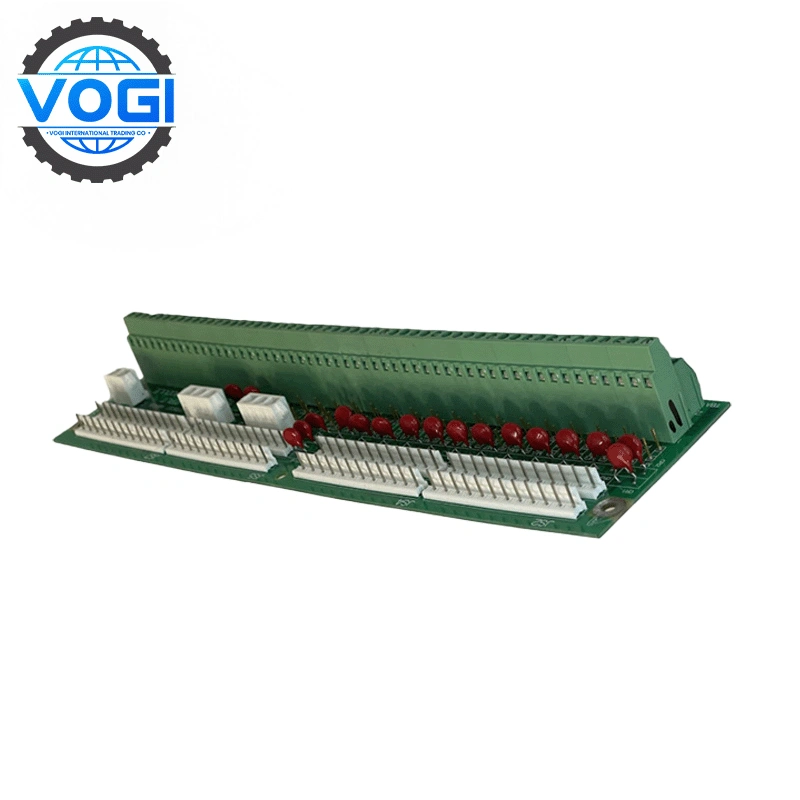
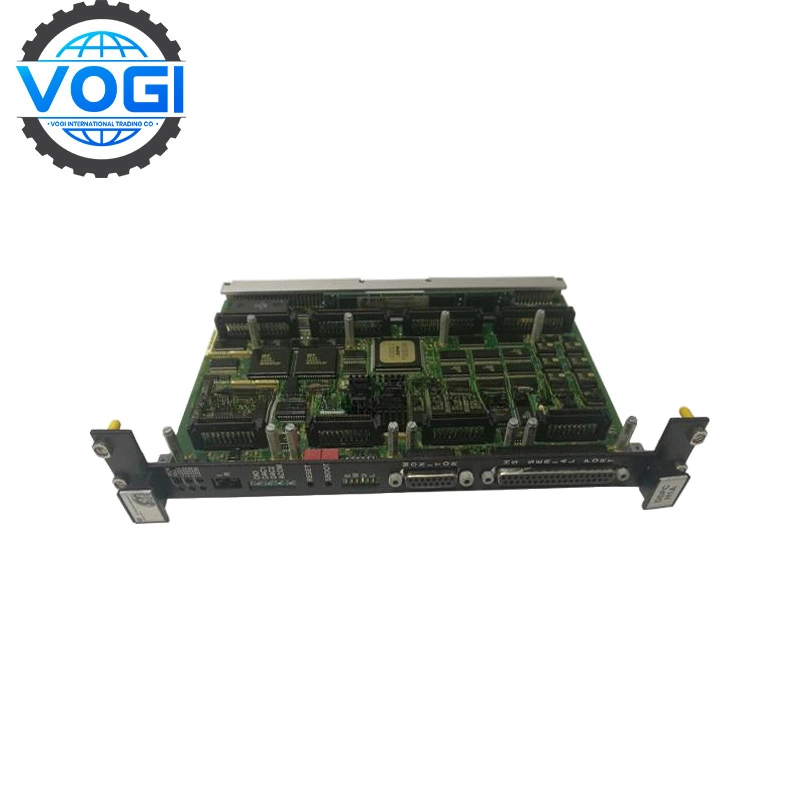
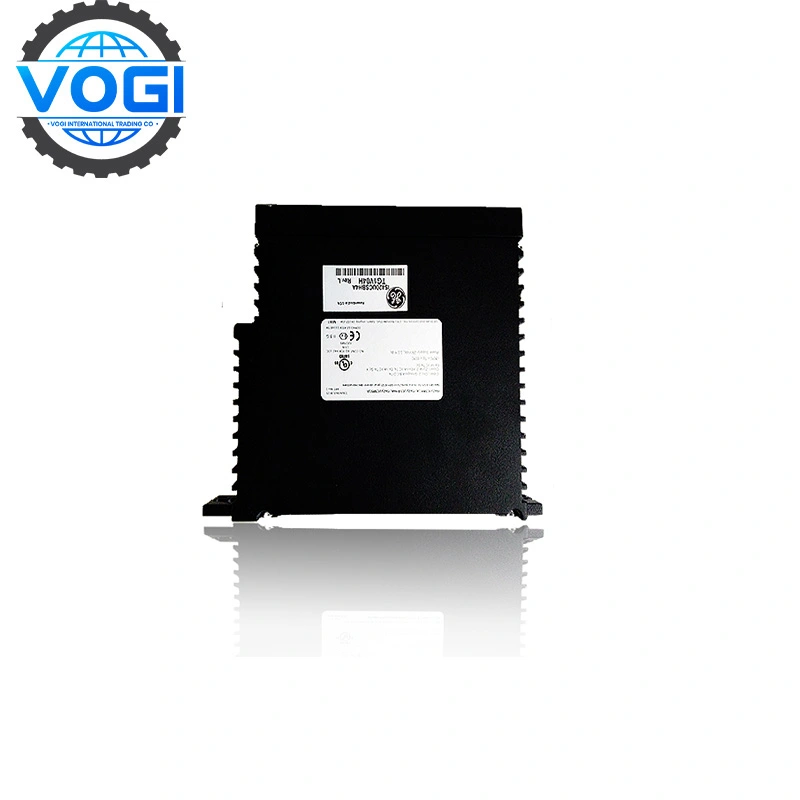
GE IS220PAOCH1B is a PAOC analog output module, The electrical interface between one or two I/O Ethernet and analogue output terminal boards constitutes its core functionality.
|
Parameters |
Description |
|
Output Capability |
Supports up to 8 analogue outputs |
|
Output Type |
0-20 mA current loop |
|
Input Interfaces |
Network: 2 x RJ45 Ethernet ports Power Supply: 1 x three-pin power input terminal |
|
Output Interfaces |
1 x DB-37 pin connector for direct connection to corresponding analogue output terminal boards |
Account Number 88800006406771
Account name Vogi International Trading Co., Limited
(* If the account name exceeds the available space, please continue in the address field.)
SWITF/BIC Code WIHBHKHHXXX
Bank name OCBC Hong Kong Branch
Bank address 161 Queen's Road Central, Central, Hong Kong
Country/Region Hong Kong (China)
Account type Business Account
Bank code 035
Payment method For the payment of goods, please make a FPS/CHATS/SWIFT Payment
Notes Please include the following memo/message to receiver when making a payment: [Buyer Name] [Invoice/Contract Number] [Product]
Configuration Mode (Control Modes)
Single-configuration: 1 I/O module and 1 or 2 Ethernet ports, no redundancy. Primarily provides basic fault detection but carries single-point-of-failure risk, offering lower cost.
Dual-configuration: 2 I/O modules (operating in parallel) and 1 or 2 Ethernet ports. Moderate redundancy and fault tolerance. Should one module fail, the other continues operation, enabling automatic failover and minimising downtime.
Triple Module Redundancy: 3 I/O modules (operating simultaneously). Each module connects to an independent Ethernet link, delivering the highest level of reliability and fault tolerance. Utilises a ‘two-out-of-three’ voting mechanism to ensure correct signal processing even if one module fails or experiences data corruption.