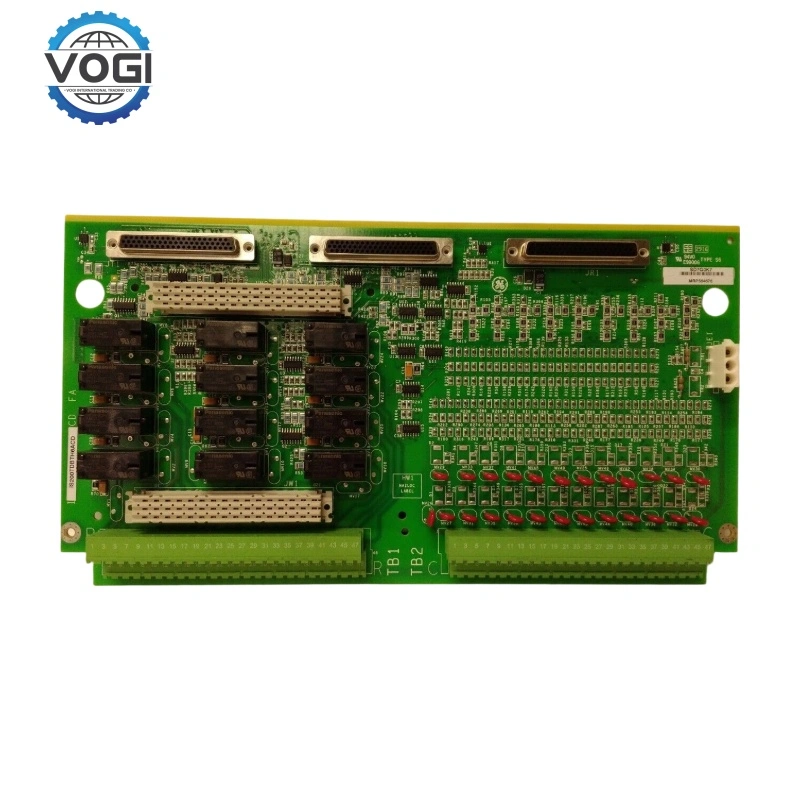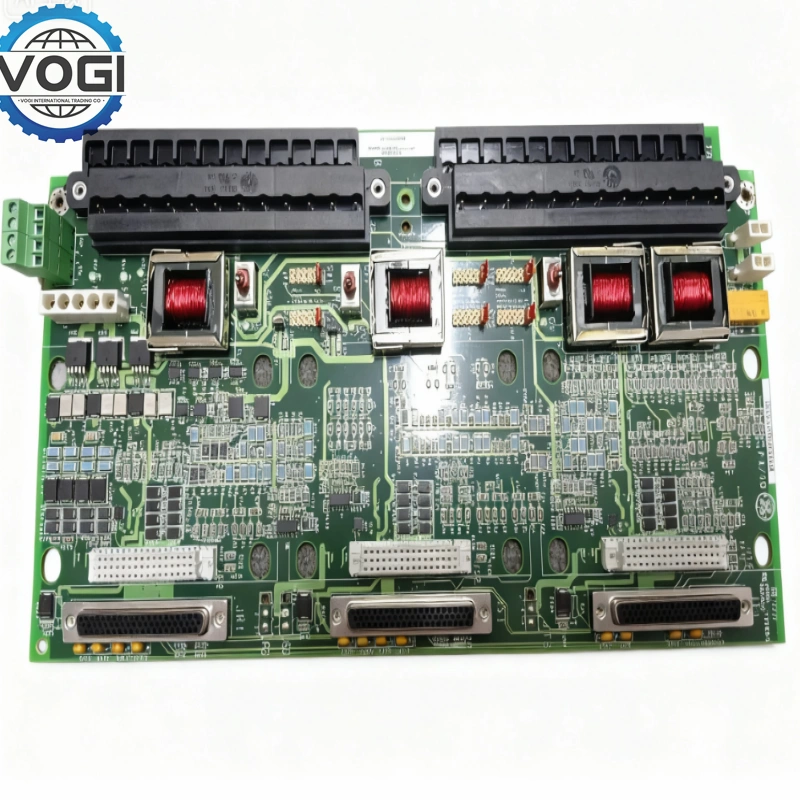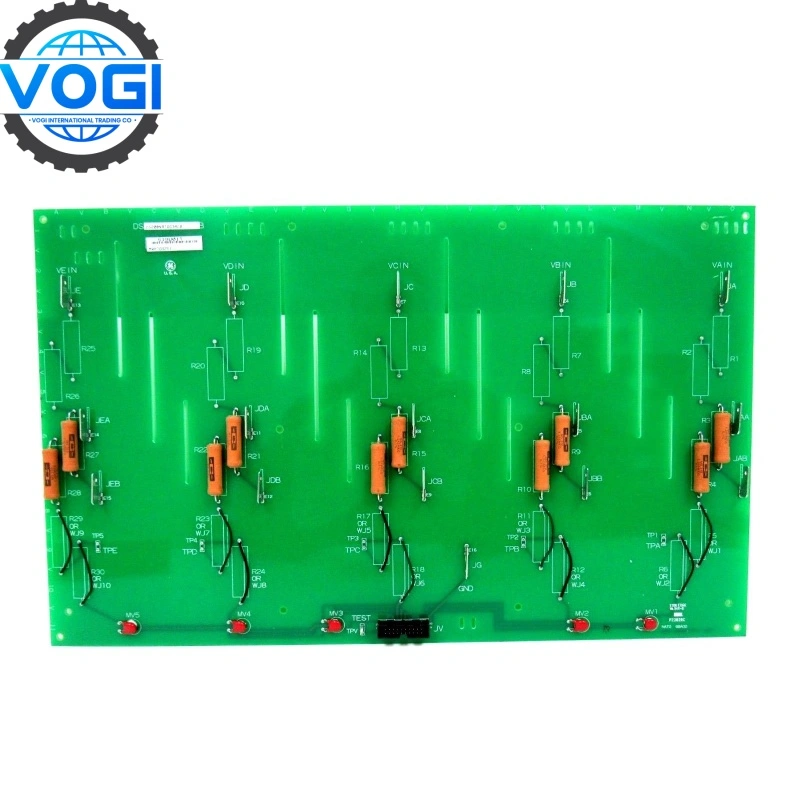
GE IS230STTCH2A
| Brand | GE |
| Module Number | IS230STTCH2A |
| Unit price | $2999 |
| Country Of Origin | USA |
| Weight | 0.5KG |
| Certificate |
C/O from the Chamber of Commerce C/Q from the Manufacturer |
| Warranty | 12 Months |
| Inventory Qty | 1 |
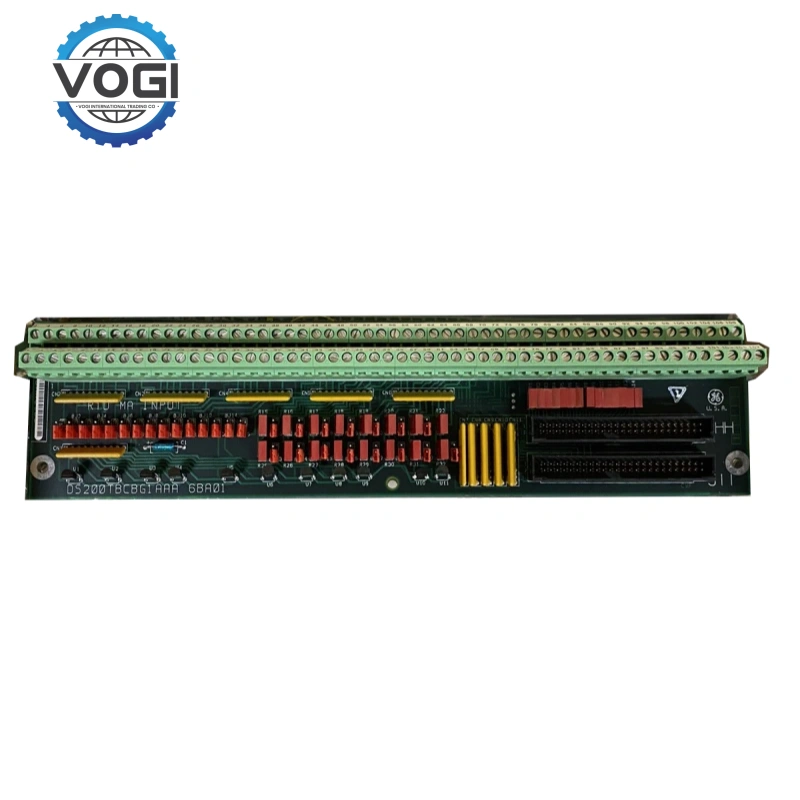
GE IS230STTCH2A is simplex thermocouple input assembly terminal board, impacted with IO pack modules
|
Parameter |
Specification |
|
Signal type |
collecting thermocouple and resistance temperature detector (RTD) signals, and can accurately measure temperature. |
|
Number of Channel |
8 |
|
Support Sensor |
Supports common J, K, T, and E types of thermocouples |
|
Mounting |
Standard DIN rail installation |
Account Number 88800006406771
Account name Vogi International Trading Co., Limited
(* If the account name exceeds the available space, please continue in the address field.)
SWITF/BIC Code WIHBHKHHXXX
Bank name OCBC Hong Kong Branch
Bank address 161 Queen's Road Central, Central, Hong Kong
Country/Region Hong Kong (China)
Account type Business Account
Bank code 035
Payment method For the payment of goods, please make a FPS/CHATS/SWIFT Payment
Notes Please include the following memo/message to receiver when making a payment: [Buyer Name] [Invoice/Contract Number] [Product]
Operating steps in system
Signal acquisition: The thermocouple or thermoresistance sensors on site are connected to the terminals of the IS230STTCH2A terminal board.
Signal transmission: The terminal board transmits the original millivolt signal (representing the temperature value) collected by the sensor to the corresponding PRTD or VRTD I/O processor.
Modulation and conversion: The I/O processor processes the analog signal and converts it into a digital signal.
Data upload: The converted data is transmitted to the main controller (such as UCSB or UCSBHA) via the control network (such as the Ethernet of Mark VIe).
Logical operation: The main controller runs the control logic (such as PID regulation) and issues control instructions based on these temperature data.
Instruction execution: The control instructions are ultimately transmitted to the execution mechanisms at the site (such as fuel valves, intake guide vanes, etc.), completing the closed-loop control of the turbine.